

Trust & Safety
Reputasi Mengalahkan Sensor: Bagaimana Netfory Menjamin Keamanan Tanpa Kontrol Pusat
Di Web4 yang sesungguhnya, keamanan tidak berasal dari pemblokiran. Ia berasal dari reputasi dan pilihan pengguna.
Dilema Jaringan Terbuka
Setiap jaringan Peer-to-Peer terbuka menghadapi pilihan sulit yang sama: keterbukaan total menciptakan ruang untuk penipuan dan phishing. Moderasi terpusat menghancurkan desentralisasi dan menciptakan titik kontrol tunggal.
Protokol SmartNet Web4 memecahkan ini dengan cara berbeda. Kami tidak memblokir. Kami menggunakan reputasi terdesentralisasi.
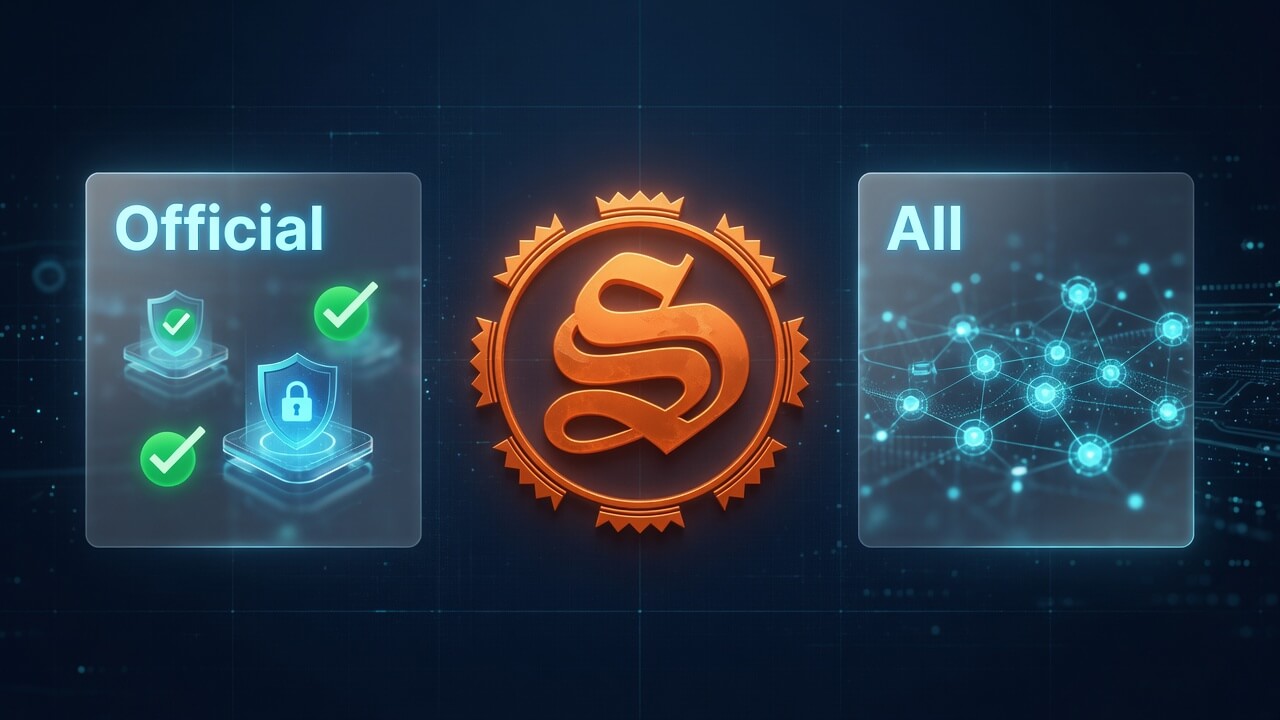
Sistem katalog dua tingkat yang sederhana (Official | All) melindungi pengguna sehari-hari secara default, sambil menjaga jaringan sepenuhnya bebas bagi mereka yang menginginkan akses penuh. Kami menandai, kami tidak menyensor.
Pilihan, Bukan Larangan
Level 1: Official (Zona Aman Default)
Pengguna biasa dalam mode USER hanya melihat dApp terverifikasi. Sebuah aplikasi menjadi Official jika:
- Ditandatangani oleh Pengembang Tepercaya: Manifest berisi alamat
ownerdalam registriDEVELOPERSyang diperiksa komunitas. Tanda tangan kriptografi membuat afiliasi tidak mungkin dipalsukan. - Disetujui oleh Tata Kelola: ID aplikasi tertentu dapat ditambahkan ke
OFFICIAL_DAPPSmelalui transaksi blockchain publik.
Ini adalah lencana reputasi yang dapat diverifikasi secara matematis, bukan daftar larangan korporat.
Level 2: All (Pilihan Sadar)
Pengguna tingkat lanjut dalam mode DEV/GEEK dapat mengaktifkan "Tampilkan yang Belum Diverifikasi" dengan peringatan jelas. Jaringan tidak menyembunyikan apa pun dari mereka yang memahami risikonya.
Tautan Langsung Selalu Bekerja
Ini adalah prinsip inti protokol SmartNet Web 4.0: Kami menandai. Kami tidak pernah menyensor. Tautan langsung menggunakan protokol sn:// atau sth:// tidak pernah diblokir — dalam kondisi apa pun. Jika Anda menerima tautan dari peer, ia terbuka terlepas dari daftar resmi.
Filter hanya berlaku untuk penemuan di toko, tidak pernah untuk lapisan transportasi dasar. Jaringan itu sendiri tetap sepenuhnya terbuka.
Mekanika Keamanan Terdesentralisasi
Konten Tidak Pernah Dihapus
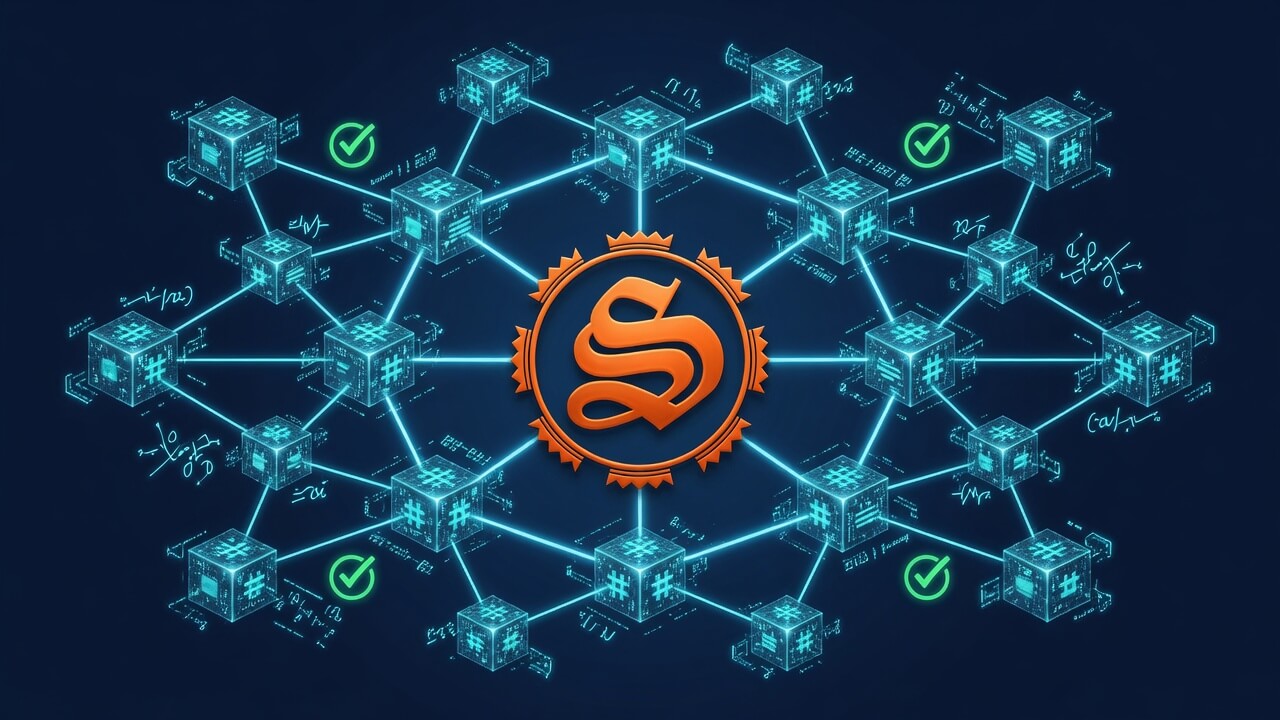
Tracker mengindeks SEMUA aplikasi. "Official" hanya tag metadata visibilitas.
Tanpa Server Pusat
Registri kepercayaan berada di Blockchain SmartHoldem. Tidak dapat diubah dan publik.
Kedaulatan Sisi Klien
Penyaringan terjadi lokal di perangkat Anda. Fork klien, beralih ke mode GEEK, atau menggunakan tautan langsung akan melewati semua filter. Jaringan tidak dapat memaksakan filter ke node Anda.
Verifikasi Kriptografi
Lencana diverifikasi via manifest bertanda tangan (id ↔ pubkey + owner). Anda memverifikasi tanda tangan sendiri.
Tidak seperti toko aplikasi tradisional, tidak ada algoritma tersembunyi atau backdoor.
Keamanan Bahkan Tanpa Akses Internet
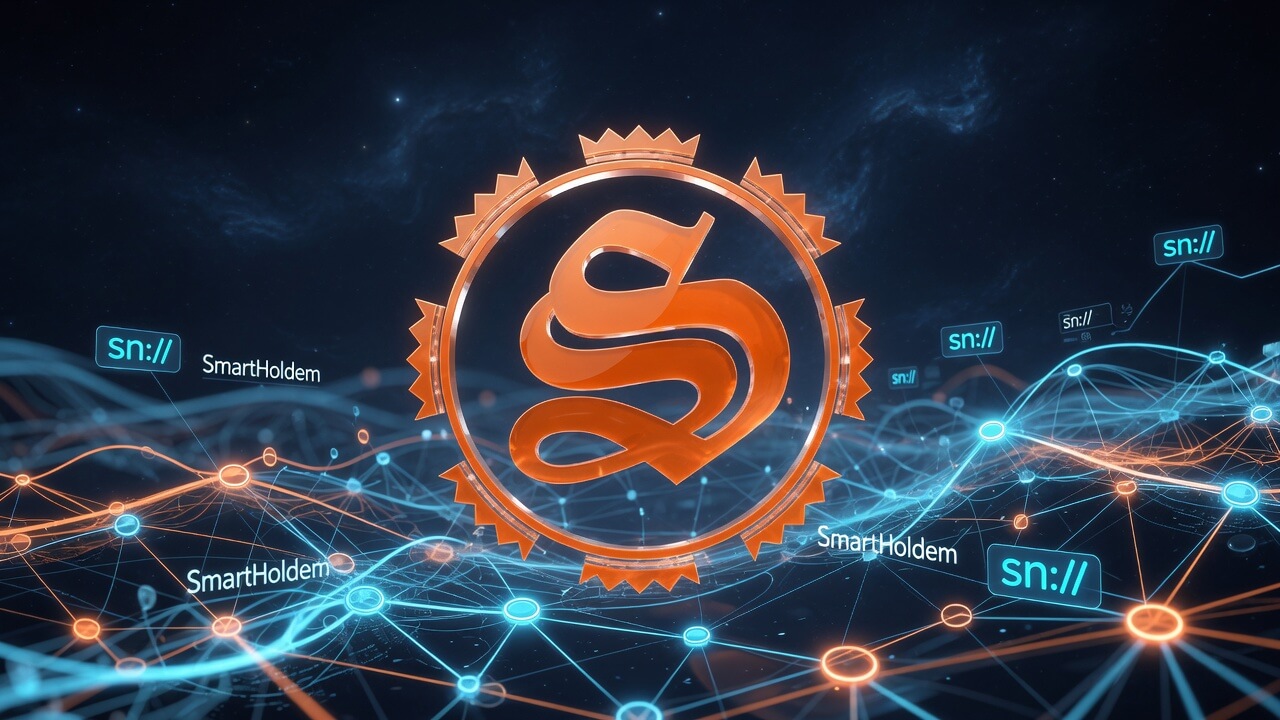
Untuk pengguna di jaringan yang bermusuhan atau segmen offline, SmartNet menggunakan Cloud Seeders. Pengembang tepercaya mereplikasi file state terenkripsi (vdapps.enc) yang berisi daftar kepercayaan saat ini setiap 30 menit.
Peer hanya menerima daftar ini jika penerbit sudah ada dalam kumpulan DEVELOPERS yang mereka kenal. Ini menciptakan rantai kepercayaan transitif yang berlabuh dalam konfigurasi awal. Serangan man-in-the-middle tidak mungkin karena penerbit tidak dikenal diabaikan otomatis.
Kepercayaan Fallback
Terverifikasi bahkan offline
Keamanan Web4 untuk Internet Bebas
Reputasi bukan sensor. Tanda tangan bukan janji. Pilihan bukan larangan.
Pengguna sehari-hari terlindungi secara default. Pengguna tingkat lanjut mempertahankan visibilitas penuh.
Dan tidak ada seorang pun di dunia yang memiliki tombol untuk menghapus aplikasi dari jaringan.
Kembali ke Misi